How much does a walk-in tub cost to install?
Typical U.S. totals run from about $6,000 to $20,000 including the unit and labor. The range is wide. Water heater needs, plumbing and wall repairs change the price, so get a written quote.
Request an estimate today
A walk-in tub has a watertight door, a low entry step and a built-in seat. You step in, close the door, and the tub fills around you. There is no high wall to lift your leg over. For many people, that one change makes bathing feel safe again.
Remainvaluable Walk-In Tubs does not install tubs. We connect homeowners in Kent and the Kent area with independent local providers who do. You say what you need. A provider in our network looks at your bathroom and gives you a written quote. You compare, ask questions, and decide with no obligation. This page explains how the tubs work and what to ask first.
If stepping over the tub wall scares you, yes, it is worth a look. A walk-in tub swaps that high step for a door and a seat. It will not fit every bathroom or every body. But for many seniors and for people with bad knees, balance trouble or weak grip, it solves the main problem.
Here is the reason to move early. Bathing risk does not stay flat. It grows.
You notice it. You grab the towel bar to steady yourself. You skip a bath because climbing in feels like work. Nothing has gone wrong yet. This is the easiest and least costly moment to plan.
You start rushing showers. You hold the wall. You ask someone to be home while you bathe. Wet tile, soap film and a high tub wall are a bad mix, and your body is already telling you so.
Strength and balance usually do not improve on their own. Bathing gets shorter and less regular. Skin and joint problems can follow. Small now, bigger later.
A fall changes the timeline fast. You may need a hospital stay, rehab and a rushed remodel on someone else's schedule. Planning before that day gives you time to compare quotes and choose calmly.
These tubs tend to work well for:
They are a poorer fit if you use a wheelchair and need to slide straight in from a transfer bench. A walk-in shower may suit you better. A provider can tell you honestly.
Skip the sales brochure. Look at these first:
A soaker is a deep tub with a seat. It is simple, has fewer parts and usually costs less to fix.
A jetted model adds water or air jets. Some people like them for sore muscles. They add pumps, plumbing and cleaning work.
A combination model has both. Ask how often the jet lines need cleaning. Ask what the warranty covers and who handles repairs.
Short answer: pick the simplest model that meets your needs.
The provider does the work. Here is the usual path.
Most jobs take a few days, but it varies. Older craftsman houses can hold surprises behind the wall. Wood-frame homes with crawl spaces may need extra plumbing access from below. A provider should explain this before work starts.
A walk-in tub holds a lot of water. Many models hold 40 to 80 gallons. A small water heater can run out before the tub is full.
And you sit in the tub while it fills and drains. Cold water is not a small problem when you are waiting.
Ask the provider to check your heater size, the recovery time and the pipe run to the bathroom. A larger tank or a tankless unit is sometimes the fix.
In a long wet season, bathrooms stay damp longer. Moss outside, mildew inside. Ask about ventilation, sealed seams and a fan that actually moves air. A tub that is installed well but sits in a musty room will still cause trouble.
Sign last, not first. Ask these questions and listen to the answers.
A good answer lists the tub, labor, plumbing, electrical, disposal and repairs to walls or floors. A weak answer is a single number with no detail.
A good answer names whether the provider uses its own crew or subcontractors. Ask to see proof of a license where your state requires one.
Ask for it in writing. Ask what covers the door seal, the pumps and the labor, and for how long.
The user should sit in the tub model, if at all possible. Check the seat, the door handle and the reach to the controls. Ask whether they can get in and out alone. Their comfort matters more than the feature list.
Then compare two or three written quotes side by side. Take your time. Just do not let months slide by.
Expect a slower routine. You fill the tub after you close the door. You wait for it to drain before you open it. Keep a towel and robe within reach. Wipe the door seal now and then. Follow the cleaning steps the provider gives you.
It is a new habit. Most people settle in quickly.
A sealed door and low threshold replace the high wall, so you step in rather than climb over.
Sit while the tub fills, bathe and drain, with no bending down.
Bars placed where your hands naturally land, plus a textured floor that resists slipping.
Quicker drains shorten the time you wait in the tub, which helps keep you warm.
Prices vary a lot by model, bathroom condition and local labor rates. These are typical U.S. ranges only, not quotes. Get a written quote that lists every line before you agree to anything.
| Item | Typical range | Notes |
|---|---|---|
| Basic soaker tub unit | $2,500 – $6,000 | Simplest and often easiest to repair |
| Jetted or combination unit | $5,000 – $10,000 | Extra pumps and plumbing add cost |
| Installation labor | $1,500 – $4,000 | Depends on access and room layout |
| Plumbing or electrical updates | $500 – $3,000 | Jets, heaters and old pipes raise this |
| Wall, floor and demolition work | $1,000 – $4,000 | Older homes can hide extra repairs |
| Grab bars and slip-resistant flooring | $150 – $800 | Often added during the same visit |
Share your bathroom, who will use the tub and any mobility concerns through the request form.
We connect you with an independent provider in our network.
The provider visits, measures and writes up the job. Ask your questions.
Choose the provider and schedule that fit you, or walk away. No obligation.
We explain what a walk-in tub is, what it costs and what to ask, in simple words.
Providers in our network serve Kent and the Kent area and know local homes.
You can compare quotes side by side before you pick a provider.
Request an estimate, ask questions and decide on your own schedule.
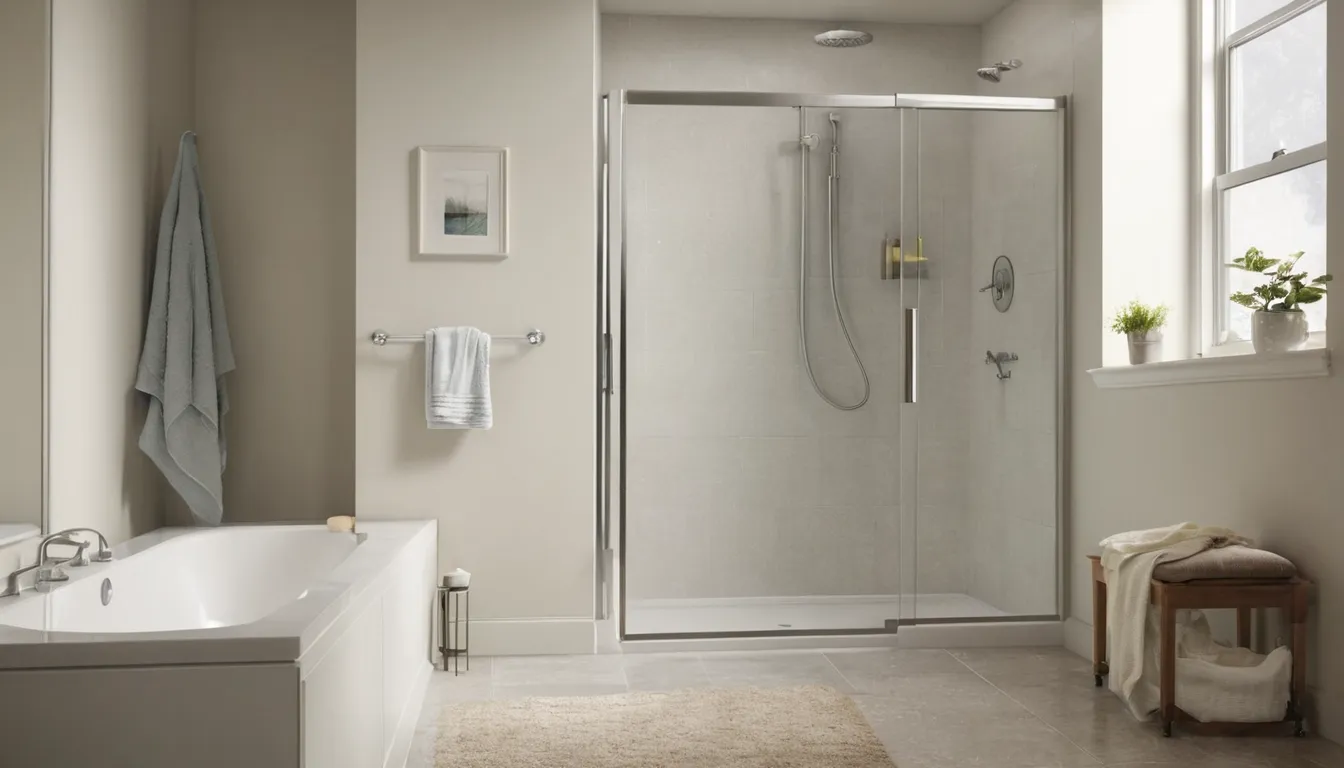
Tell us what is hard about your bathroom today. Remainvaluable Walk-In Tubs matches you with a local provider who can visit, measure and give you a written quote. No obligation.
No obligationTypical U.S. totals run from about $6,000 to $20,000 including the unit and labor. The range is wide. Water heater needs, plumbing and wall repairs change the price, so get a written quote.
Often, yes. The low step, seat and grab bars reduce the climbing and balance strain of a standard tub. A provider can help you check whether a specific model fits your needs.
Many jobs take a few days, but it varies with the bathroom and any repairs. Ask the provider for a written schedule before work starts.
Tell us what is hard about your bathroom today. Remainvaluable Walk-In Tubs matches you with a local provider who can visit, measure and give you a written quote. No obligation.
No obligation